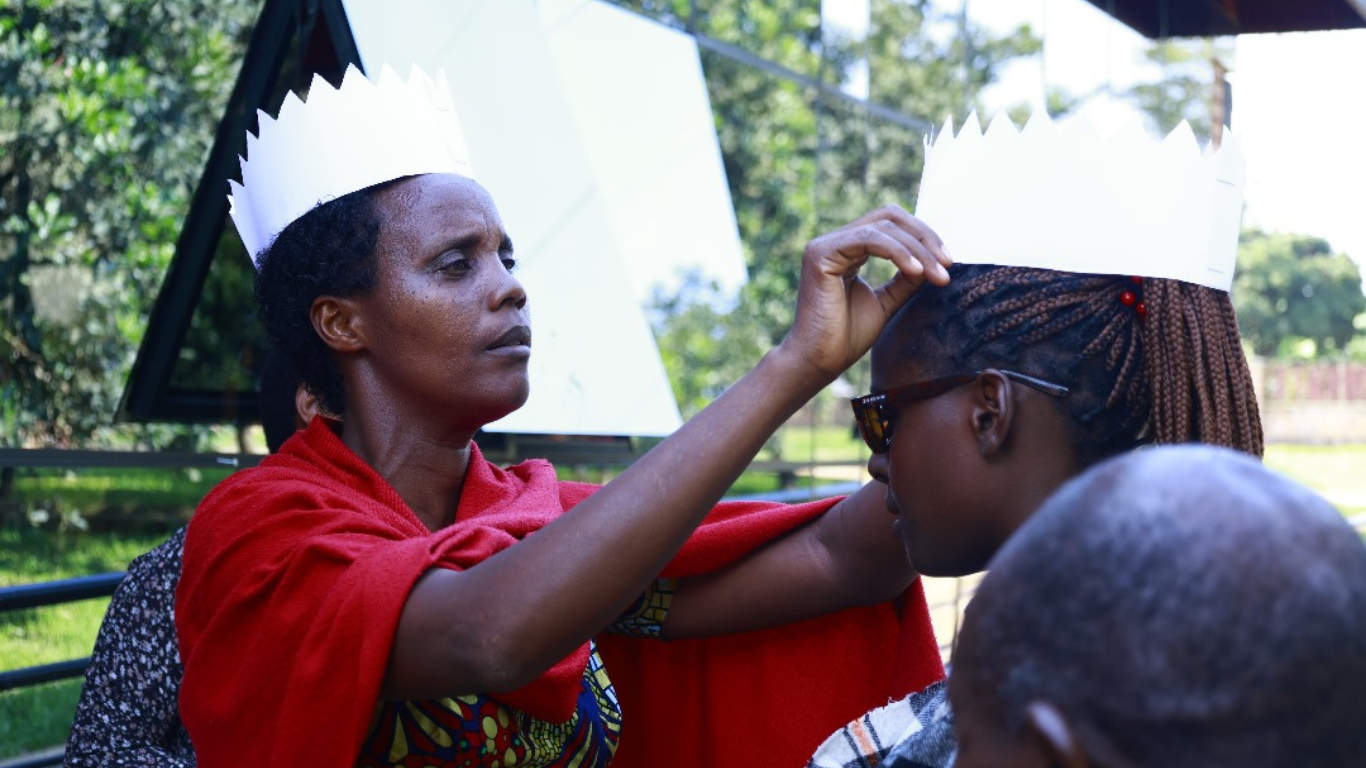
The Healed to Heal Fellowship (often associated with faith-based or community-led organizations) operates on the principle that individuals who have undergone their own journey of recovery are best equipped to support others. Our activities generally bridge the gap between mental health, social stability, and economic empowerment.
Below are the details of their activities organized by their three core pillars:
1. Wounds and Trauma Healing
This is the foundational stage of the fellowship, focusing on “Societal Healing” and emotional restoration.
Healing Spaces & Dialogue: Creation of “safe spaces” community members to share their stories. This is often used in conflict resolution to foster reconciliation.
Mental Health Support (MHPSS): Providing psychosocial support through trained counselors and “Healing Companions”; peer mentors who have already completed the program.
Family-Based Interventions: Programs that address transgenerational trauma, helping parents heal so they do not pass their emotional wounds on to their children.
2. Drug Abuse Prevention & Rehabilitation
The fellowship treats addiction not just as a medical issue, but as a symptom of deeper, unresolved trauma.
Holistic Recovery: Integrating trauma-informed care into addiction treatment. We focus on identifying “triggers” related to past pain that lead to substance misuse.
Peer-Led Support Groups: Using the “Healed to Heal” model where individuals in long-term recovery mentor those currently struggling with addiction.
Awareness & Outreach: Community-based campaigns designed to reduce the stigma of drug use, making it easier for individuals to seek help without fear of social exclusion.
3. Community Development & Livelihoods
Healing is sustained by ensuring individuals can reintegrate into society and support themselves financially.
Collaborative Livelihoods: Forming cooperatives or joint economic groups where former “rivals” or marginalized individuals work together on projects like saving groups, agriculture, crafts, or small businesses.
Capacity Building: Training local leaders and practitioners to manage conflicts and provide basic mental health first aid within their own villages.
Reintegration Programs: For those coming out of prison or rehabilitation centers, the fellowship provides a “soft landing” through mentorship and assistance to prevent relapse or recidivism and be agent of peace.